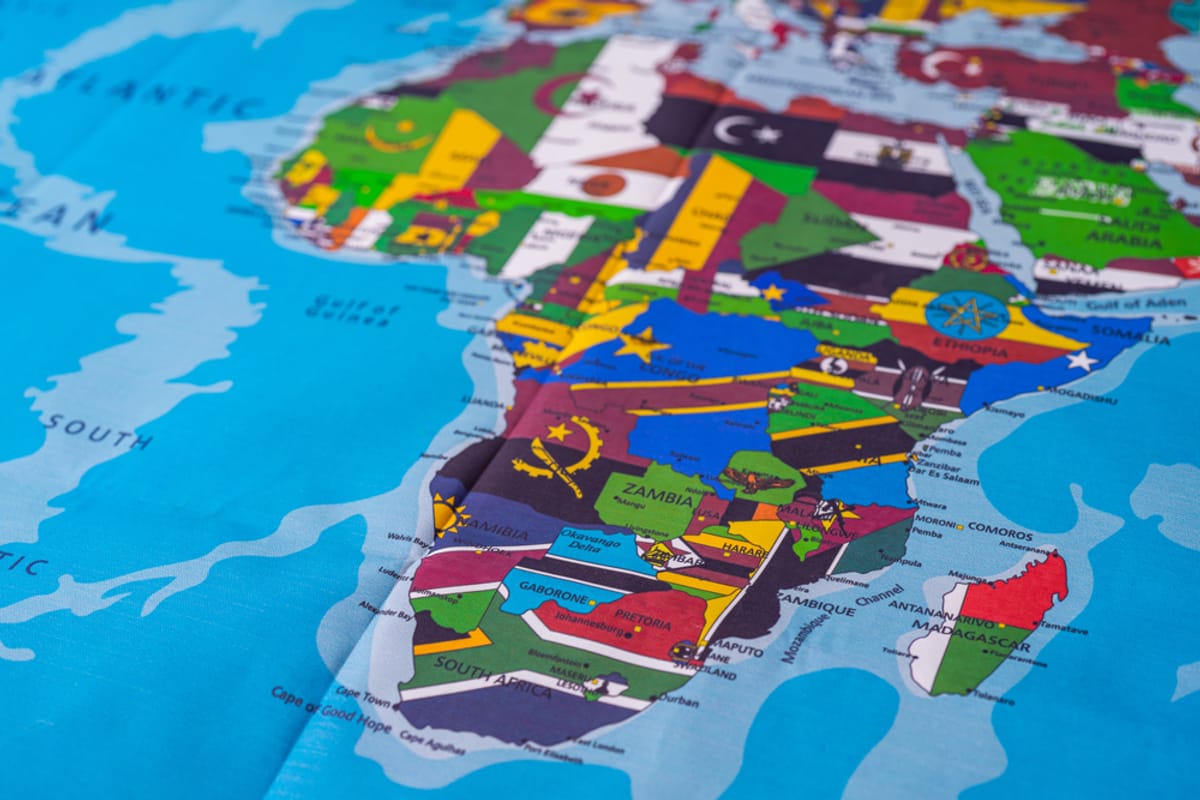
This region will see 2.5% to 3.8% GDP growth in the 3rd Q of 2026
The big wildcard in the Middle East is Iran and what course the Iranian Government and the Iranian Revolutionary Guard Corps (IRGC is the hardline military faction) takes in the 2nd half of 2026, it appears that these two competing Government factions have differing goals, and the question is which faction will prevail.
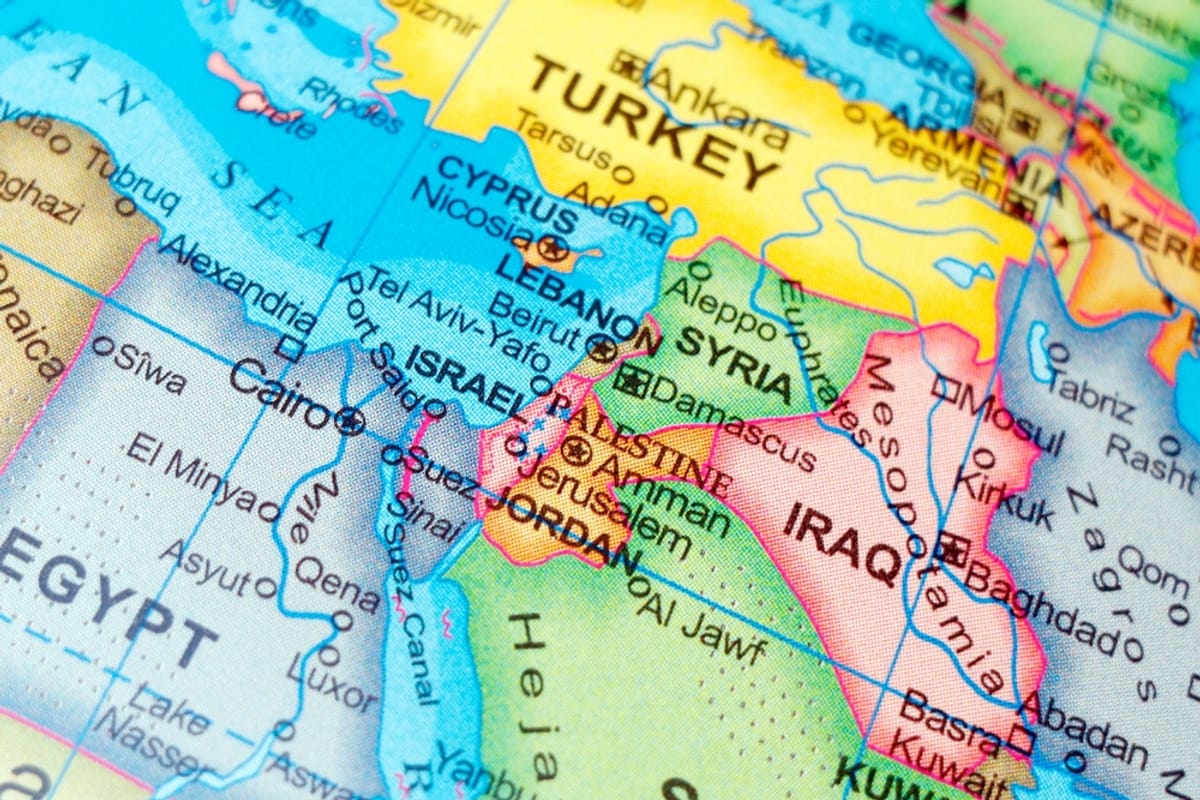
Qatar, UAE, Saudi Arabia, Oman, Jordan, Bahrain, Kuwait, Iraq and Israel have suffered numerous drone / missile attacks. Iran was targeting US military bases, many drones missed their target and hit various industrial / petro-chemical and port type facilities. The conflict involving Iran, its allies and the USA has harshly affected the Middle Eastern region, damaging industrial complexes and commercial facilities. These attacks have caused billions of dollars of damage, along with a huge reduction of oil and gas exports.
To get around this Iran drone / missile problem in the future, Saudi Arabia, UAE, Iraq and Kuwait are debottlenecking or constructing new overland pipelines to escape the reach of Iran. These projects are estimated to cost between 3 and 5 billion dollars.
Middle East Construction 2026 challenges include Global / Regional conflicts, increased material costs, inflation spikes, supply chain issues, shortages of skilled workers and a possible drop in oil prices to below $60 / barrel. This would be an economic shock to this region.
Saudi Arabia’s Vision 2030 continues on its relentless journey as we move into further into 2026, with as much as $20 to $30 billion poised to be spent on future construction projects in 2026. However, some major capital projects such as NEOM (new futuristic city) have been reduced in scope in recent months. Saudi Arabia construction costs are currently projected to increase by 3.4% to 4.1% in 2026. Saudi Arabia’s General Construction & Infrastructural continues at a brusque pace. Saudi Arabia is currently one of the leading (4) construction markets, along with India China & the USA. Saudi Arabia recently announced that it is scaling back its NEOM mega city capital project, reducing the population from 1 + million to a more reasonable target of 250,000 by the end of the current decade. The KSA proposed 170 Km line city has recently been reduced / optimized to 2.5 Km by the end of the current decade. Perhaps in retrospect, some of these initial plans were overstated.
Other countries such as UAE, Qatar, Bahrain and Kuwait are also performing rather well and these countries construction sectors will see 4% to 5% growth in 2026. Dubai continues to be a very active construction market, with numerous infrastructure and commercial projects currently under construction or in the development pipeline. However, the region does include countries such as Jordan, Oman, Iraq, Libya, Algeria and Egypt that will experience minimal / subdued growth in 2026.
Israel continues to develop its life sciences - AI and military technology. Unfortunately, the Middle East region is still suffering with the ongoing unrest. The main issue is how long will the Iran conflict last and will it drive up Gulf States inflation in the next 3 to 6 months and will it cause some construction projects to be cancelled?