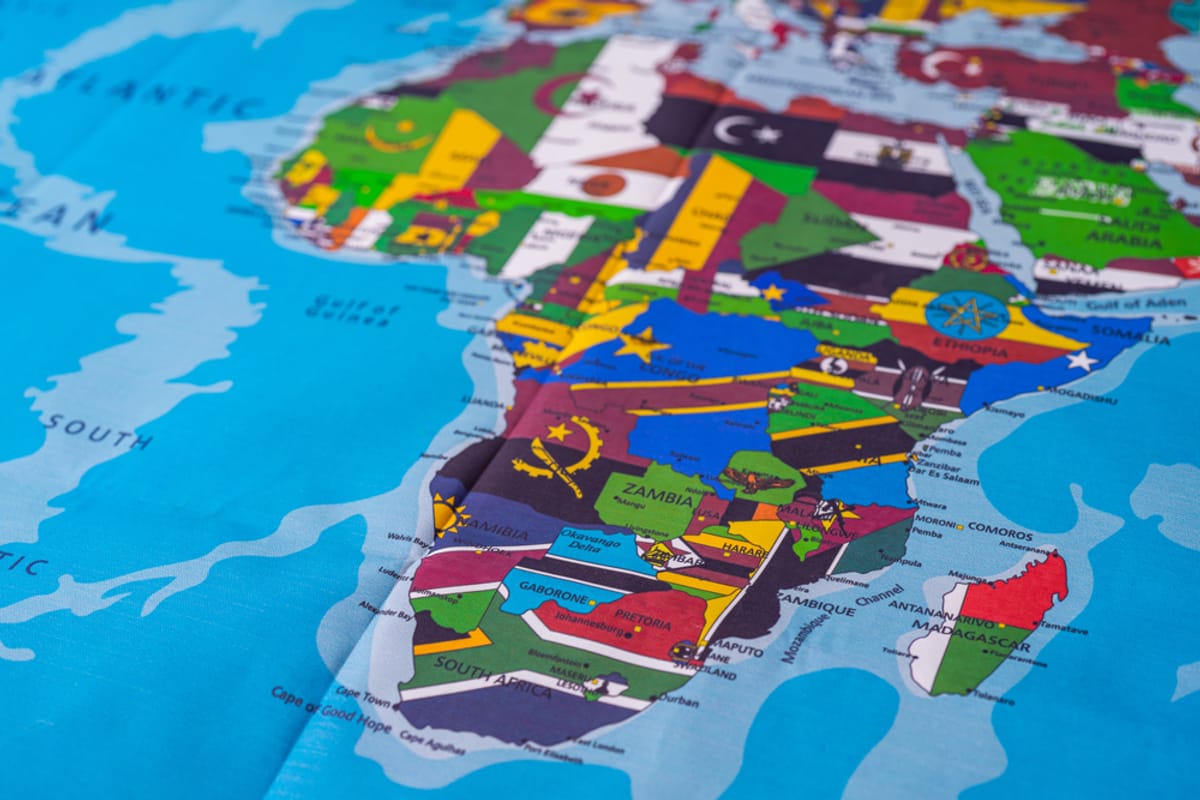
African nations are set to see minimal or in some cases negative GDP growth in the 3rd Q of 2026
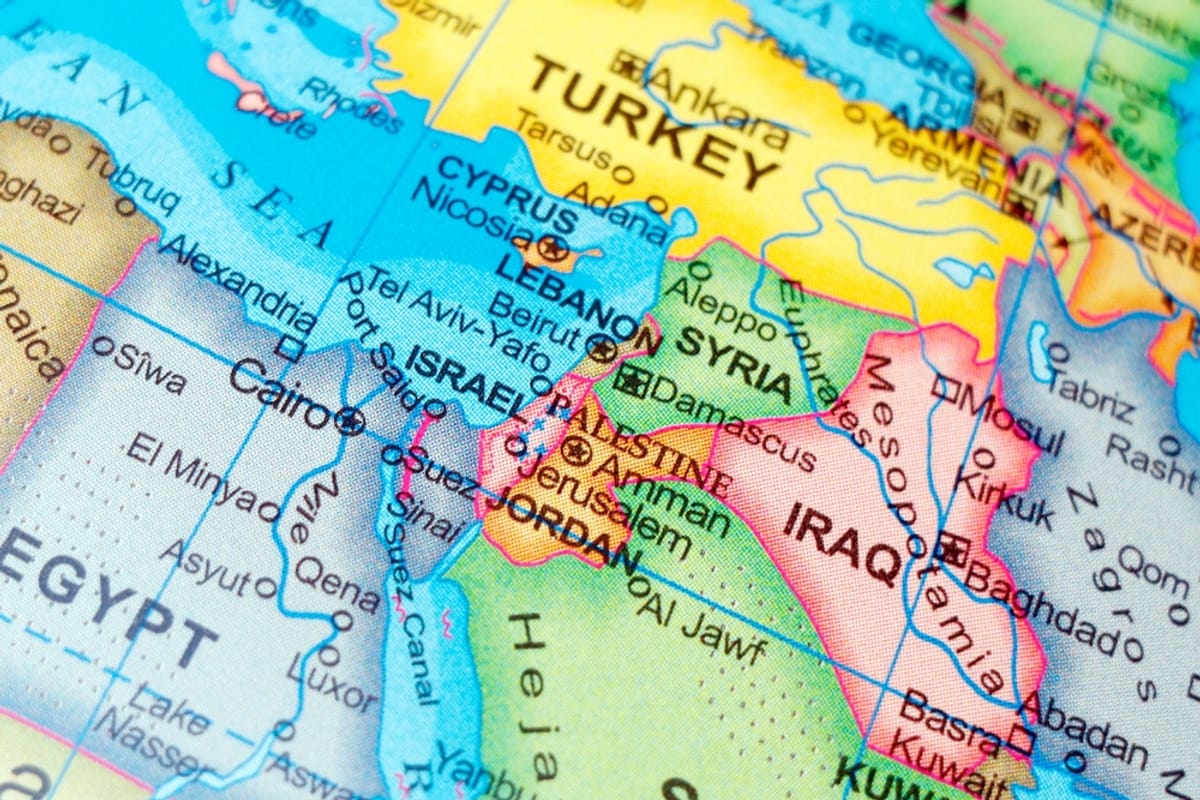
Africa’s construction sector stands at a critical pivot point now that there are two wars to contend with (one in Ukraine and one in the Middle East) increased ocean freight could be very damaging to African nations.
Africa is forecast to be the next construction hotspot, in the next 5 to 10 years there will be a huge demand for new highways, railways, airports, housing, schools & hospitals. There will be a huge demand for A&E and construction services to meet this massive need. Africa’s construction market is forecast to be in the $80 to $90 billion range in 2026 and is forecast to grow to $125 to $150 billion by 2030.
The 54 countries that make up Africa should see construction related growth for the most part, some better than others. The 2nd half of 2026 should be a decent year for Africa’s construction industry. Major African countries such as Nigeria, Egypt, Ethiopia, Kenya, Mozambique and South Africa appear to have a good backlog of minerals / mining, Oil & Gas, LNG, infrastructure projects in their immediate future. The immediate challenges African countries continue to face are high inflation, tariffs, shortages of skilled workers and supply chain material delays.
Africa’s population is forecast to grow to more than 2.5 billion in the next 25 years, from the current 1.2 billion, this growth will fuel the need for all kinds of construction projects across Africa’s 54 counties.
Infrastructure, Oil / Gas, mineral and timber related capital projects are the main drivers of the African construction sector. The African Construction sector will continue to expand somewhat marginally in 2026, but look for a sustained improvement in 2027 / 2028.
The South African construction sector is forecast to grow by 2.1% to 2.6% in 2026. High unemployment and inflation continue to be significant challenges to the South African construction sector. The South African construction industry forecast for 2026 is rather subdued with limited construction growth prospects on the horizon.
The Nigerian Construction sector is estimated to be in the range of $140 to $185 billion in 2026, which makes it the # 1 construction market in Africa. Nigeria’s new 650,000 barrel a day Dangote refinery recently came on stream with its first crude oil loading, which is a big plus for the country, that previously imported oil related products.
Nigeria’s construction sector is forecast to grow by 3% to 5% in 2026, high inflation remains a continuing challenge. Nigeria is still challenged by the increasing cost of imported and domestic construction materials. The annual inflation rate in Nigeria is between 15% and 20%. For the Nigerian construction sector this is a serious challenge.
Egypt will construct one of the largest wind farms in the Middle East valued at more than $7.5 billion by 2027. Also, in the construction pipeline are plans to build a new nuclear plant, upgrades to Egypt’s Petro-Chemical installations and new railroad facilities. However, Egypt is experiencing high inflation that is currently close to 25%.
Mozambique’s construction sector is booming, LNG capital projects are moving forward, roads, ports and other civil type projects are underway or in the planning pipeline.
Ethiopia’s construction industry is estimated to be in the $40 to $60 billion range as we move further into 2026. Ethiopia’s construction sector is developing with a good number of infrastructure related projects in the pipeline; the construction industry is estimated to grow by 5% to 6% in the next couple of years.
Some of the North African nations - Algeria, Morocco and Libya are forecast to experience a slow but steady improvement to their economies and construction sectors compared to the 3 or 4 difficult previous years.
There is a massive need for new roads, bridges, airport / sea ports, railways and power / energy related projects across all of Africa in 2026 and beyond. It appears that there a number of multi-billion dollar hi-speed inter-city & freight railroad bidding opportunities in Kenya, South Africa & Ghana.
The # 1 question for the African construction sector will the Iran conflict be resolved in the next 60 to 120 days, or will we see a resumption of the US bombing campaign continue? Will it drive up inflation in the next 3 to 6 months?